Skip to content
AI Receptionist

An AI receptionist for small business, scripted and supervised by real people

Every call picked up.Every transcript read by our team.

A phone and chat answering system that Capture Marketing's team scripts around your business, trains on your services and rules, and reviews call by call. It books what it should, and passes everything else to your staff with the full context attached.

The ringing phone

Your best leads call while your hands are full.

A roofer is on a ladder. A hygienist is mid-cleaning. A lawyer is in a consultation. The phone rings, nobody can answer, and the caller tries the next business on the list. Voicemail rarely saves it, because most people who reach a voicemail box do not leave a message; they just keep dialling.

Hiring a second receptionist or an overnight answering service fixes part of the gap, but neither knows your services well, neither books into your calendar, and you still cannot see what was said. The result is the same leak in a different place: calls answered, but not converted.

How AI call answering works

What an AI receptionist is, and what it should never do alone.

An AI receptionist is a voice and chat system that answers your business line and messages, follows a script built for your business, and books or routes the enquiry. The quality depends almost entirely on the people who set it up and watch it.

What is an AI receptionist?

It is software connected to your phone number, website chat and messaging inboxes that answers in natural speech or text. It greets the caller, works out what they need, answers common questions from information you have approved, and either books an appointment, takes a detailed message or transfers the call to a person. Unlike a phone tree, the caller does not press buttons. Unlike voicemail, the caller gets an answer right away. It is a front door, not a replacement for the people behind it.

AI receptionist vs answering service vs virtual receptionist

A traditional answering service uses shared operators who take messages for many businesses at once. A virtual receptionist is a remote person, usually limited to set hours. An AI receptionist answers every call at once, at any hour, and can book into your real calendar. The trade-off is judgment: a person reads tone and edge cases better. That is why Capture Marketing builds ours with firm hand-off rules, so anything sensitive, urgent or unusual goes to your team instead of being guessed at.

What makes a good script

Most poor AI call experiences come from thin instructions. A good script covers your services and what each one is for, your service area, hours, booking rules, what prices may and may not be quoted, and the qualifying questions your best receptionist already asks. It also lists what the system must never do: give medical, legal or financial advice, promise a timeline, or argue with a caller. We write this with you, test it against real past calls, and only switch it on once it handles them properly.

How hand-off to real staff should work

Hand-off is the part most vendors skip. Ours follows rules you approve: urgent jobs, existing clients, complaints, anything clinical or legal, and any caller who asks for a person are routed to staff. If someone is available, the call transfers live. If not, your team gets a text and email summary with the caller's name, number, reason for calling and a transcript, so nobody has to ask the caller to repeat themselves. The caller is told plainly what will happen next and when.

Why call-by-call review matters

An AI receptionist is not something to set up and forget. Callers ask things nobody predicted, services change, and wording that sounded fine in testing can confuse a real person. Capture Marketing's team reads transcripts and listens to flagged calls, especially in the first weeks, and adjusts the script whenever an answer was wrong, unclear or too long. You see the same transcripts. Every change is logged, so you always know what the system is allowed to say.

Privacy, consent and recording in Canada

Callers should know when a call is recorded and, in our view, when they are speaking with an automated system. We set the greeting to say both. For health clinics, information about patients is sensitive, so we keep the system to booking and logistics, collect only what is needed, and connect it to tools you already use rather than copying data into new places. We will walk you through what is stored and where, so you can decide with your own privacy officer or adviser.
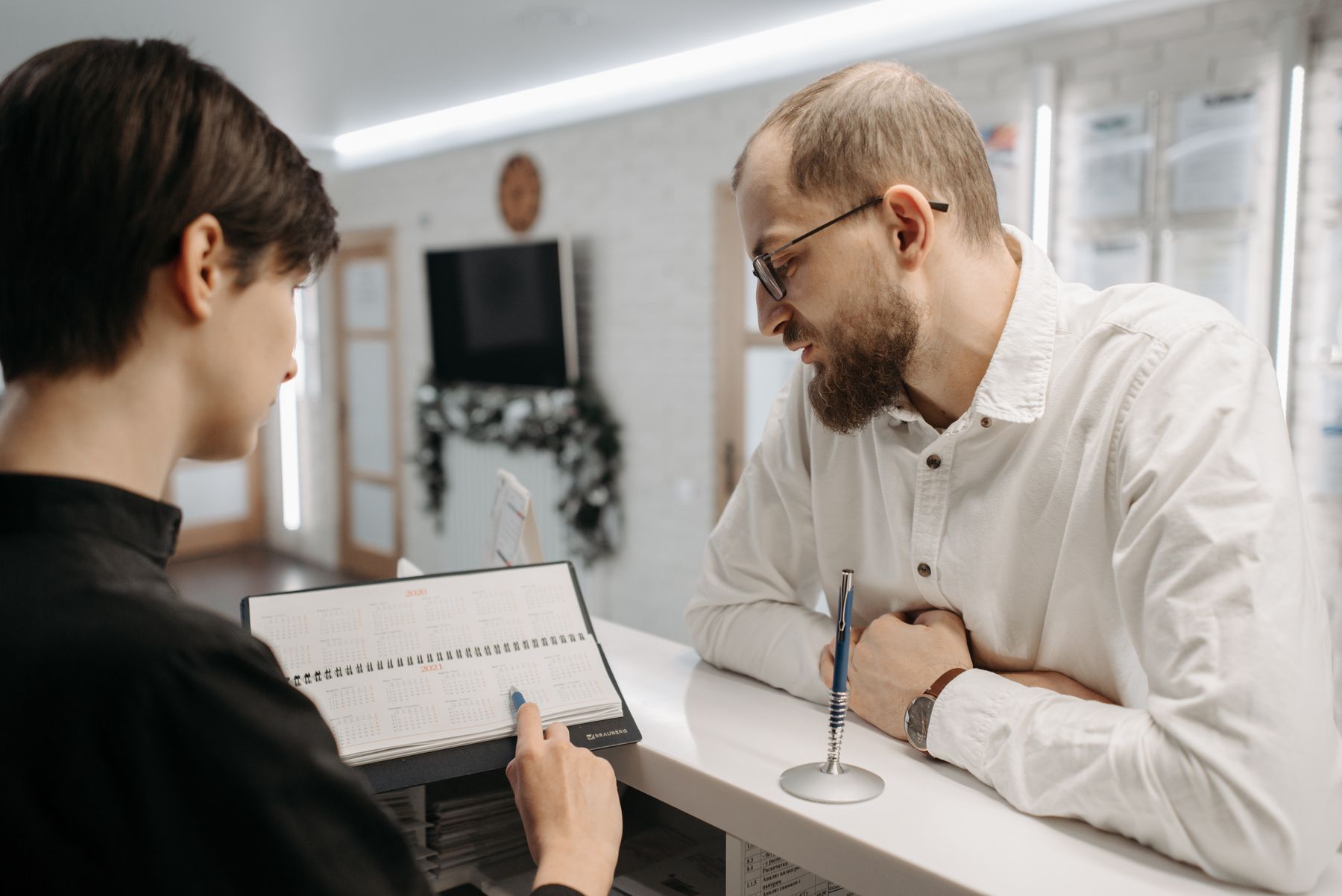
Calls by industry

Four kinds of callers, four different scripts.

Construction and trades

Trade calls are often urgent: a leak, a panel tripping, a furnace out in January. The script separates emergencies, which page your on-call staff straight away, from quote requests, which collect the address, job type, photos by text and a preferred site-visit window. Callers outside your service area are told politely and kindly, instead of being booked for a visit you cannot make.

Medical and aesthetics

Clinic callers want to know about a treatment, book a consultation or reschedule. The system answers logistics only: hours, location, what a consultation involves, how to prepare. It never gives clinical advice or before-and-after promises, which keeps it inside the spirit of professional college advertising rules in Ontario. Anything clinical, any existing-patient concern and any distress goes straight to your staff.

Real estate and development

Sign calls and listing enquiries come in evenings and weekends, exactly when agents are showing homes. The script captures which property, whether the caller is working with an agent, timing and financing stage, then books a showing or a call back. For builders and developers, it registers buyers for a project, answers approved questions about the release and routes serious buyers to the sales centre.

Professional services

People calling a law, accounting or financial firm want to know if you handle their matter and how to start. The system confirms practice areas, runs your intake questions, screens for conflicts using only the names you ask it to collect, and books a consultation. It is instructed never to give legal, tax or investment advice, and to route existing clients directly to their file's team.

Inside the answering system

Everything it takes to answer well, set up and supervised for you.

Voice and chat on one script

Your main line, after-hours overflow, website chat and messaging inboxes all answer from the same approved information, so callers hear one consistent story.

Booking into your real calendar

Appointments land in the calendar or booking software you already use, with confirmations and reminders, inside the rules you set for each service.

Hand-off rules you approve

Live transfer when staff are free, an instant summary when they are not, and a clear list of topics the system must always pass to a person.

Call-by-call review by our team

Capture Marketing's team reads transcripts, flags missed bookings and wrong answers, and updates the script. You get the same access.

Every call logged in your CRM

Caller details, reason, outcome and transcript recorded against the contact, so your follow-up and reporting start from real data.

From first call to live line

We listen before it ever speaks.

  1. Week 1

    Listen and document

    We review recent calls and messages with you, list every reason people contact you, and write down your booking rules, hand-off rules and topics to avoid.

  2. Week 2

    Script and rehearse

    We write the script, then test it against real past calls and edge cases with your staff playing difficult callers. Nothing goes live until it handles them.

  3. Week 3

    Go live in stages

    We usually start with after-hours and overflow calls, then widen coverage once your team is comfortable with the transcripts and the hand-offs.

  4. Ongoing

    Review and adjust

    Our team reviews calls every week, updates the script, and sends you a plain report on calls answered, bookings made and calls handed to staff.

What you can open and read

The paper trail behind every answered call.

  • Approved call script

    The full set of instructions, answers and limits, written in plain language and signed off by you.

  • Hand-off rulebook

    Which topics, callers and keywords go to which staff member, and how.

  • Configured phone and chat lines

    Your existing number, after-hours forwarding and website chat connected to the system.

  • Calendar and CRM connection

    Bookings and call records flowing into the tools your team already uses.

  • Test call log

    The rehearsal calls we ran before launch, with what passed and what we changed.

  • Transcript access for your team

    Every conversation searchable, with recordings where callers were told about recording.

  • Weekly review notes

    What our team flagged, what we changed in the script, and why.

  • Monthly call report

    Volume, bookings, hand-offs and unanswered questions, in plain numbers from your own data.

FAQ

AI Receptionist, your questions answered.

Straight answers on contracts, pricing, ownership and how we work.

Ask us on a call
Can an AI receptionist replace my front desk staff?+

No, and we do not set it up that way. It covers the calls your team cannot reach: overflow, lunch breaks, evenings and weekends. Your staff still handle the conversations that need judgment, warmth or clinical, legal or financial knowledge. Most clients find their front desk spends less time on repetitive questions and more time with the people in front of them.

What happens when the AI cannot answer a question?+

It says so, and hands off. The script tells it to stop guessing when a question falls outside what you approved. If a staff member is free, the call transfers live. If not, the caller is told when to expect a call back, and your team receives a summary and transcript within moments. Our team reviews those calls and adds good answers to the script where appropriate.

Will callers know they are speaking to an automated system?+

We recommend telling them, and our default greeting does. Being upfront builds trust and avoids awkward moments later. In practice, callers mostly care that the phone was answered, their question was handled and the next step is clear. Anyone who prefers a person can ask for one at any time, and the system will route them.

Can it book appointments into the software I already use?+

In most cases, yes. We connect to common calendars, CRMs and booking tools so appointments appear where your team already looks. Where a system has no way to accept bookings from outside, we set the receptionist to collect the details and send your staff a ready-to-confirm request instead. We confirm what is possible with your software before you commit to anything.

How long does it take to set up an AI receptionist?+

Plan on about three weeks from the first conversation to live calls. Most of that time is spent listening to how your business already answers the phone, writing the script and testing it with your team. Rushing that work is what produces the robotic, unhelpful systems people complain about, so we would rather go live a little later and get it right.

Is an AI receptionist safe to use in a medical clinic?+

It can be, if it is kept to logistics. We limit clinic systems to booking, rescheduling, directions and general questions about what a visit involves. They never give clinical advice, and anything about symptoms, results or a patient's care goes to staff. We collect as little personal information as the booking requires and walk you through where it is stored.

Hear how your business would soundwhen nobody is free to answer.

Book a 30-minute strategy call with a strategist and an engineer. You leave with a diagnosis of what is holding growth back, whether or not we work together.