What happens in pre-production?
Pre-production is where most of the quality is decided. It starts with a brief: the audience, the single message, where the video will run and what the viewer should do afterward. From there the crew writes a script or interview questions, builds a shot list, scouts the location, books talent and plans the schedule. A good pre-production also plans for every output at once, so one shoot day produces a hero film, ad cut-downs and vertical reels instead of a single deliverable. Skipping this stage is the most common reason a video looks fine and performs badly.
What does a shoot day look like?
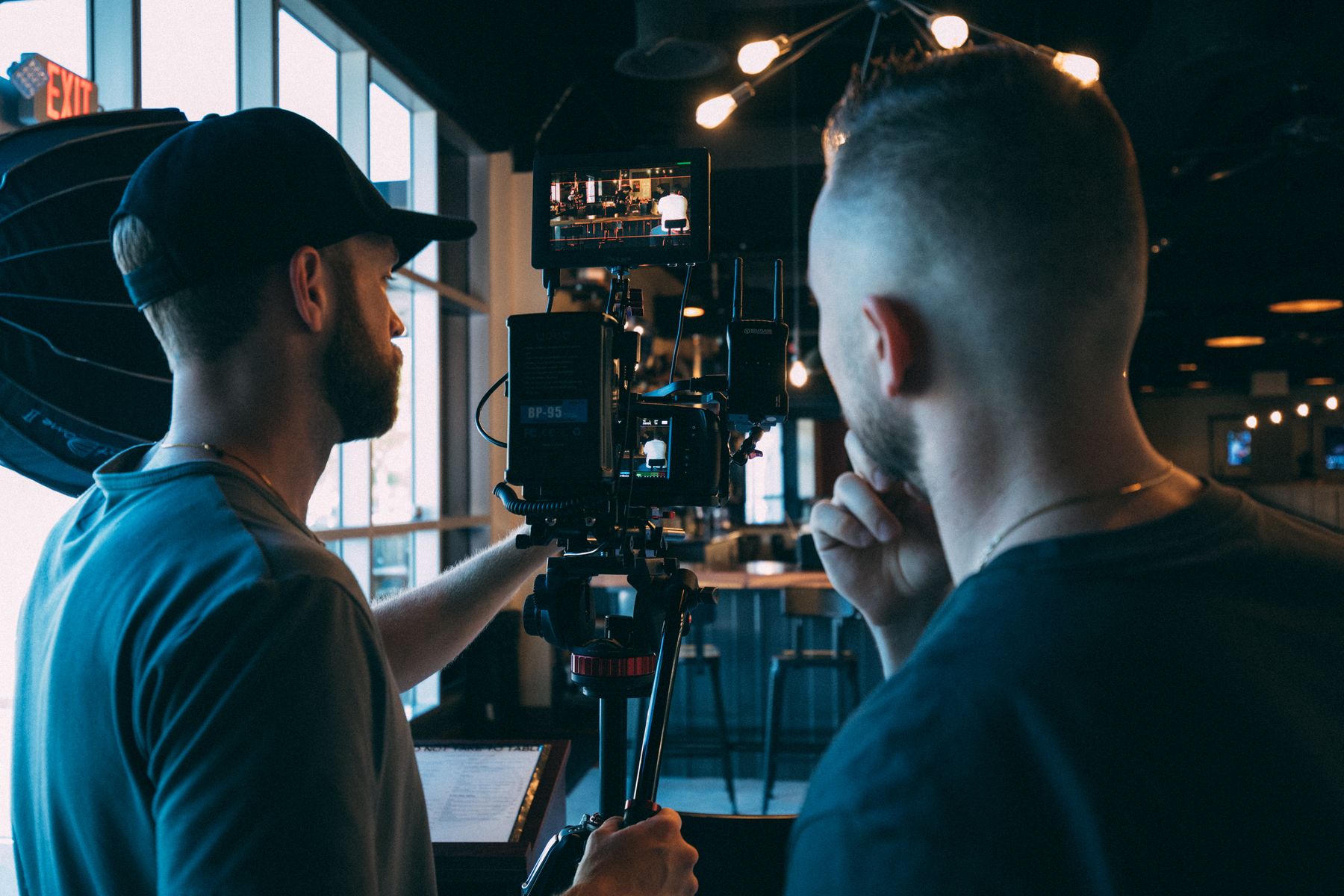
A typical shoot runs on a call sheet: arrival, lighting and sound setup, interviews first while people are fresh, then B-roll of the work, the space and the team. Small commercial crews of two to four people cover most business needs and keep disruption low at a clinic, office or job site. Sound is recorded on dedicated microphones, because viewers forgive average picture far more than bad audio. For vertical platforms the crew frames or shoots separately for 9:16, rather than cropping a wide shot later and losing the subject.
Drone filming rules in Canada
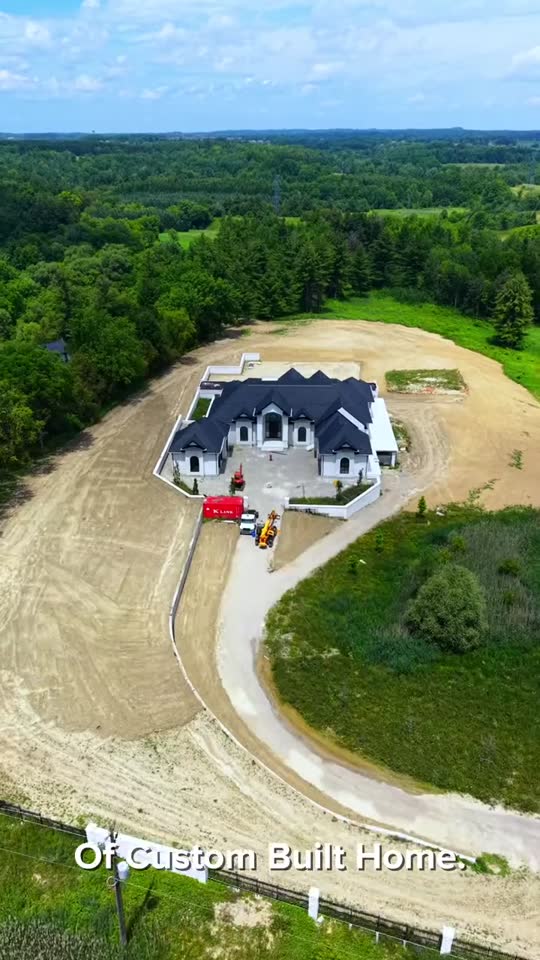
Drone footage shows scale that ground cameras cannot: a whole site, a subdivision, a commercial building in context. In Canada, drones in common commercial use must be registered with Transport Canada and flown by a certified pilot, and flights near people or inside controlled airspace need an advanced certificate and, where required, authorization through NAV CANADA. Much of Toronto sits near Pearson or Billy Bishop airspace, so flights are planned in advance. Filming on City of Toronto property can also require a permit from the city's film office.
What happens in post-production?
Post-production turns hours of footage into finished assets. The editor builds a rough cut for structure, then a fine cut with music, motion graphics, colour correction and sound mixing. Captions are added, because a large share of social video is watched with the sound off. Most projects include two review rounds, which works best when one person on your side gives consolidated notes. Finally the edit is exported in every size the plan called for: widescreen for websites and YouTube, vertical for reels and stories, square or 4:5 for feed placements.
Which video types work best for local businesses?
Four formats do most of the work. A short brand or company film for your homepage that explains who you are in under two minutes. Ad creative: several 15 to 30 second versions with different hooks so ad platforms can find the winner. Short-form reels for organic social. And proof videos: project walkthroughs, process explainers and customer story videos where real customers agree to speak on camera. Customer stories are filmed only with genuine clients who consent, never scripted actors presented as customers.
How to brief a video crew
A useful brief answers five things: who the viewer is, what they should feel or understand, what they should do next, where the video will run, and what must appear on screen. Share examples you like and dislike, a list of people available to appear, and any rules that apply to your industry, such as health college advertising standards or brokerage disclosure requirements. Agree on the number of deliverables, aspect ratios, review rounds and who owns the raw footage before the shoot, so there are no surprises at delivery.